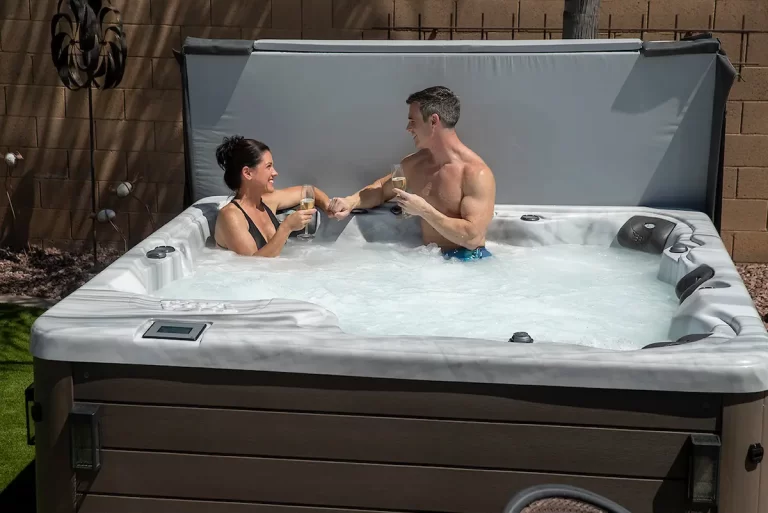
So, you’ve bought (or are about to buy) a beautiful new swim spa or hot tub. Now comes the part that separates a good ownership experience from a great one: keeping your water clean, balanced, and safe.
Hot tub chemicals may sound intimidating at first, but with the right guidance, maintaining your spa is easier than you might think. Whether you’re a new spa owner or thinking about buying one, this guide will walk you through the essentials, helping you enjoy your spa without stress.
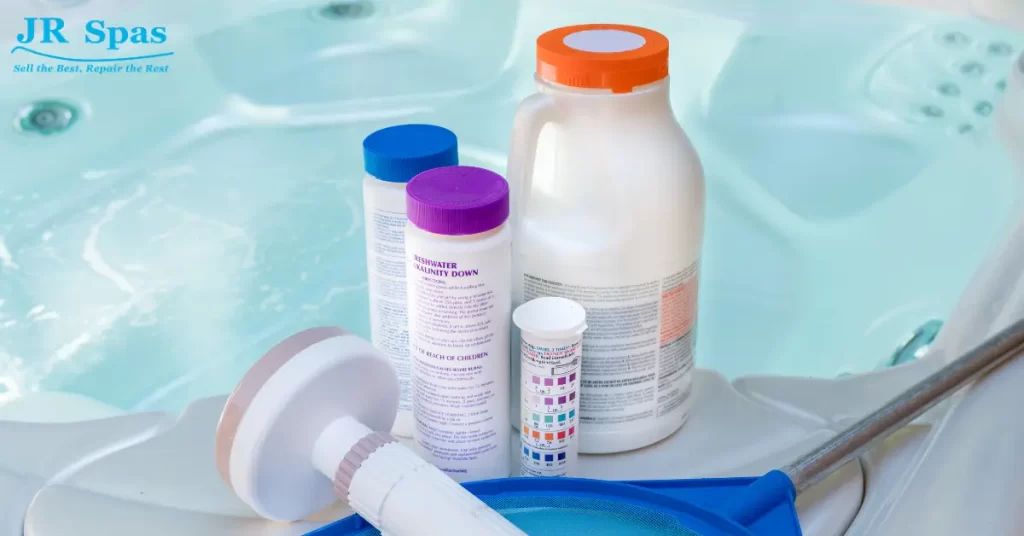
Table of Contents
The Basics: Why Chemicals Matter
Your hot tub is like a miniature swimming pool. Without proper care, bacteria, algae, and debris can quickly turn your relaxing retreat into a less-than-pleasant experience. The right chemicals not only keep your water clean but also protect your spa equipment and extend its lifespan.
Balancing your water means paying attention to three main things:
- Sanitization – Killing bacteria and keeping your water safe.
- pH & alkalinity – Preventing corrosion, scaling, and skin irritation.
- Shock treatment – Refreshing your water and eliminating contaminants.
5 Essential Hot Tub Chemicals
Here’s a breakdown of the chemicals you’ll need to keep your North Texas spa in top shape:
1. Sanitizers
Sanitizers are the backbone of hot tub water care. They keep bacteria, viruses, and other unwanted microorganisms under control.
- Chlorine: A classic sanitizer that’s easy to use and effective. Ideal for spa owners who want straightforward maintenance.
- Bromine: Gentle on skin and eyes, bromine works well in hot water, making it a favorite for those with sensitive skin.
2. pH Balancers
Hot tub water needs the right pH — not too acidic, not too alkaline. The target range is usually 7.2–7.8.
- pH Increaser (Sodium Carbonate): Raises pH if water becomes too acidic.
- pH Decreaser (Sodium Bisulfate): Lowers pH if water gets too alkaline.
Maintaining a balanced pH prevents scale buildup on your heater and pipes, and keeps your skin happy.
3. Alkalinity Adjusters
Alkalinity acts as a buffer for your pH, helping prevent sudden swings that can irritate skin or damage spa components.
- Alkalinity Increaser (Sodium Bicarbonate): Most hot tub owners only need this one to stabilize water.
4. Shock Treatments
Shocking your hot tub helps remove contaminants, organic matter, and cloudy water.
- Non-chlorine shock (potassium peroxymonosulfate): Ideal for routine weekly use and sensitive skin.
- Chlorine shock: Good for clearing cloudy water or after heavy use.
5. Specialty Chemicals
Depending on your water source and spa usage, you might also need:
- Calcium Hardness Increaser: Prevents corrosion and foaming if your water is very soft.
- Algaecides: Helps prevent algae growth in hot tubs that are used outdoors in the sunlight or infrequently.
- Clarifiers: Keeps your water sparkling clear by helping filters trap fine particles.
Tips for North Texas Spa Owners
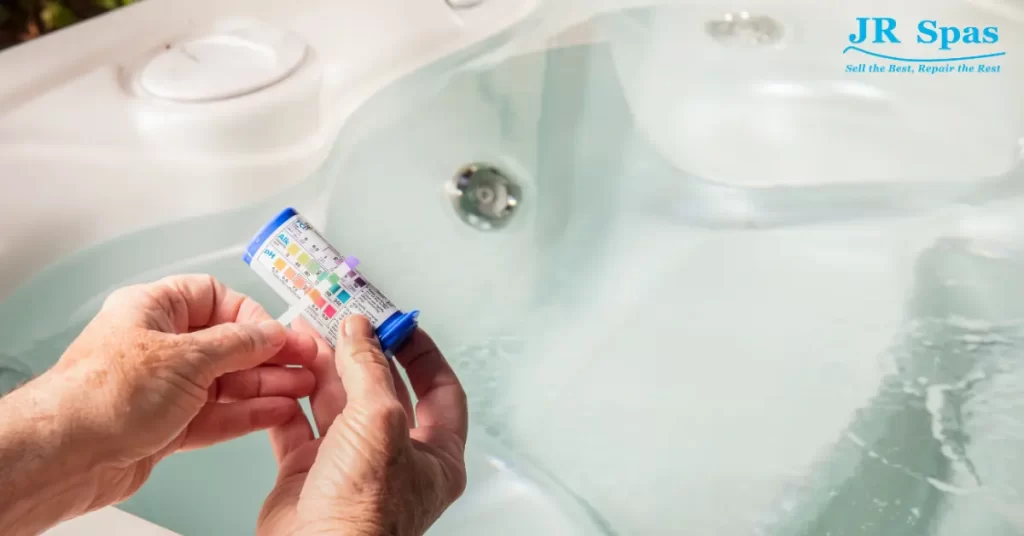
- Test your water regularly: Especially during hot Texas summers, frequent testing keeps your water balanced.
- Keep chemicals on hand: A small stockpile means you’re never scrambling when your water needs attention.
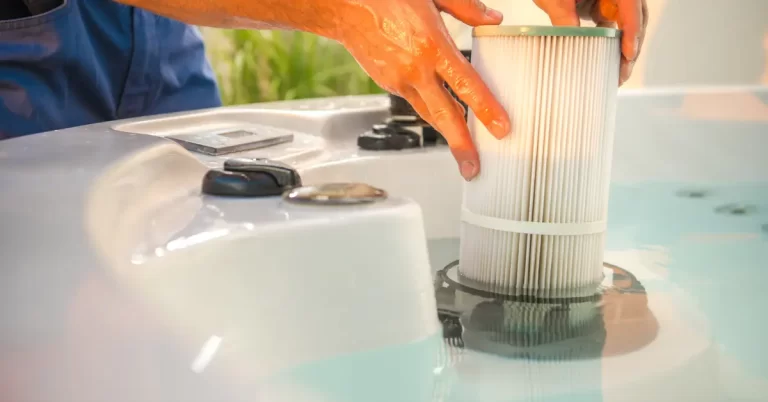
- Clean filters often: Chemical care works best with clean filters.
- Consider professional service: Life’s busy, and having JR Spas handle cleaning and maintenance ensures your spa stays perfect without stress.
Professional Services: Hot Tub Care, the Easy Way
Sounds like a lot? It can feel overwhelming at first, but just like with any new appliance, it will take some time to get comfy with the new routine. If you want a bit of extra help, our friendly technicians offer professional hot tub services near the Granbury area.
We’ll come to your home for:
- Routine swim spa or hot tub cleaning*
- Scheduled swim spa or hot tub maintenance
- Emergency spa repairs
- Spa inspections
- Hot tub removal
Our cleaning service area is limited to Granbury and just beyond, like Pecan Plantation. Contact us to ask if we service your area!
How often should I test my spa water?
At least 2–3 times per week, and anytime the spa has heavy use or after storms and high pollen days.
Can I mix chlorine and bromine?
It’s best to stick with one sanitizer. Mixing can reduce effectiveness and create unwanted chemical reactions.
What do I do if my water is cloudy?
Check pH and alkalinity first, then shock your spa. Adding a clarifier can help as well. Check out our step-by-step guide on how to clean a hot tub.
How long do chemicals last in my spa?
Most chemicals are stable for several months if stored properly. Once added to water, shock and sanitizer levels may need replenishing weekly.
Can JR Spas help me with chemicals?
Absolutely! We carry all the hot tub chemicals, parts, and accessories you need. Plus, our team in Granbury can set up convenient maintenance and cleaning services so you can enjoy your spa without the hassle.
Make Hot Tub Care Easy in North Texas
Keeping your spa clean and inviting doesn’t have to be a chore. With the right chemicals, regular testing, and a little know-how, your hot tub will stay perfect for every soak. And when life gets busy, JR Spas is here to help.
Stop by our Granbury showroom, call us, or schedule a professional cleaning service online — we’ll make sure your spa is always ready for a relaxing soak.